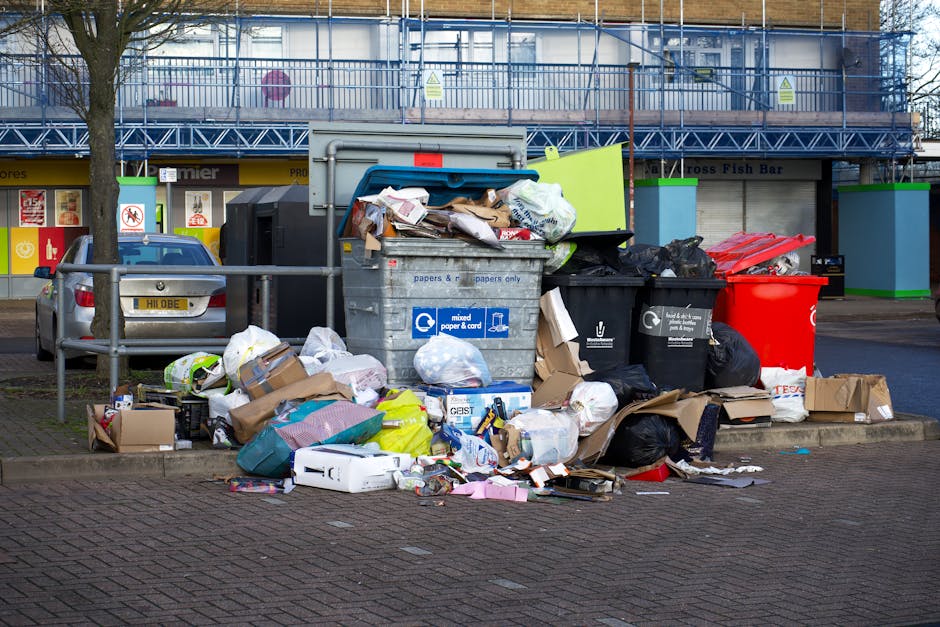
Shop rubbish removal Ponders End Enfield
If you run a shop in Ponders End, you already know how quickly clutter builds up. A delivery comes in, old display units need replacing, stock arrives in awkward packaging, and suddenly the back room looks like it has swallowed half the high street. Shop rubbish removal Ponders End Enfield is the practical answer when you need that waste gone without turning a trading day upside down. Done well, it keeps your premises safer, tidier, and easier to work in. Done badly, it becomes one of those jobs that drags on for weeks. Nobody wants that.
This guide explains how shop clearance and retail waste removal typically work in Enfield, what can be removed, the real-world benefits, how to prepare, and the mistakes that cost people time and money. You will also find a comparison table, a checklist, and answers to common questions shop owners ask when they are weighing up their options.
Table of Contents
- Why Shop rubbish removal Ponders End Enfield Matters
- How Shop rubbish removal Ponders End Enfield Works
- Key Benefits and Practical Advantages
- Who This Is For and When It Makes Sense
- Step-by-Step Guidance
- Expert Tips for Better Results
- Common Mistakes to Avoid
- Tools, Resources and Recommendations
- Law, Compliance, Standards, or Best Practice
- Options, Methods, or Comparison Table
- Case Study or Real-World Example
- Practical Checklist
- Conclusion
- Frequently Asked Questions
Why Shop rubbish removal Ponders End Enfield Matters
Retail premises are different from domestic clearances. Shops have customers coming and going, staff working around stock, and often very limited storage space. A couple of broken shelves or a stack of flattened cardboard can be annoying. A larger build-up of unwanted fixtures, packaging, old stock, and general shop waste can start to affect how the whole business feels. It is not just about appearances, either.
In a busy place like Ponders End, where many businesses operate from compact units or shared commercial streets, waste left in the wrong place can obstruct staff, create trip hazards, and make routine tasks slower than they should be. A cluttered back-of-house area also makes it harder to receive deliveries, rotate stock, and keep on top of daily cleaning. Truth be told, it can make a shop feel more stressed before the doors even open.
There is also the customer perception piece. People notice a tidy shop. They notice a pile of broken displays, or a corridor full of old packaging, even if they do not say anything. And if you are trying to refresh a retail space, especially after a refit or seasonal changeover, waste removal is often the final thing that turns a half-finished room into a functioning business again.
For many local businesses, it helps to think of waste removal as operational support rather than a one-off chore. It keeps the space usable, helps staff work faster, and reduces the chance of accidents. That is a pretty good return for a job that can look simple on the surface.
How Shop rubbish removal Ponders End Enfield Works
Most shop rubbish removal jobs follow a fairly straightforward pattern, though the details depend on the volume and type of waste. In practice, the process usually starts with a description of what needs clearing. That might be old shelving, damaged stock, cardboard, packaging, shop fittings, office waste from a rear room, or a mix of everything. If the premises are tight on access, that matters too. A narrow loading area, stairs, or awkward opening hours can all shape the plan.
A good clearance service will usually want to know three things: what is being removed, how much there is, and when it needs to happen. That is because the right vehicle, crew size, and time window make all the difference. A small amount of shop waste can often be cleared quickly. A larger fit-out or end-of-lease clearance may need more planning, especially if items need to be carried through customer areas or shared entrances.
If you are also dealing with mixed waste, such as shop furniture, old stock, and packaging materials, it can help to look at related services like business waste removal and general waste removal. For retail units that have changed hands or are being refurbished, nearby services such as office clearance and builders waste clearance may also be relevant, especially if the job includes desks, counters, timber offcuts, plasterboard, or fixings.
In many cases, the work happens in a single visit. The team arrives, assesses access, loads the waste, and leaves the area swept or left tidy as part of the job scope. Simple enough, but the benefit is in the detail: the less disruption to trading, the better.
Key Benefits and Practical Advantages
Shop waste removal is not just about getting rid of rubbish. It can improve how the business functions from one day to the next. Here are the advantages that tend to matter most in real life.
- More usable space: Clearing old stock, broken units, and surplus packaging frees up space for display, storage, and staff movement.
- Better safety: Less clutter means fewer trip hazards, fewer blocked exits, and easier cleaning around high-traffic areas.
- Faster turnaround after changes: If you are refitting, closing a line, or changing the layout, waste removal helps the shop get back to normal quickly.
- Improved customer impression: A tidy retail environment feels more professional and more cared for.
- Less strain on staff: Your team can focus on serving customers rather than trying to shift bulky waste in between tasks.
- More predictable disposal: Using a proper removal service is often easier than trying to manage multiple trips in a small van or personal car. Let's face it, nobody enjoys that.
There is also a quieter advantage: momentum. When one mess is cleared, the rest of the space suddenly feels manageable. That can make a shop owner more likely to tackle the next job, whether that is reorganising stock, repainting a wall, or replacing damaged fittings.
Expert summary: For retail units, the real value of rubbish removal is not only disposal. It is restoring a shop to a safe, workable, customer-ready state with as little interruption as possible.
Who This Is For and When It Makes Sense
This kind of service suits a wide range of local businesses. Some owners need it after a refurb. Others need it when closing a unit, clearing old inventory, or dealing with recurring waste that has simply got out of hand. If your shop has a back room that is starting to behave like a storage cave, this will probably feel familiar.
It is especially useful for:
- independent retailers with limited storage space
- convenience stores and small supermarkets
- hair, beauty, and wellness businesses with retail stock areas
- mobile phone, computer, and repair shops replacing old equipment
- charity shops and resale outlets sorting donations and broken items
- vacant shop units being prepared for new tenants
- businesses dealing with packaging build-up after deliveries
It also makes sense when you need a one-off clear out rather than a regular collection. Maybe your stockroom filled up after a seasonal push. Maybe the landlord wants the unit stripped back before handover. Or maybe you have been putting it off because there is always another job that seems more urgent. That happens. Shops are busy places.
For larger business moves or premises with mixed contents, it can be helpful to review flat clearance and home clearance style approaches if the space contains varied items that need careful sorting. If the waste includes old chairs, counters, stools, or display furniture, then furniture clearance or furniture disposal can be the more efficient route.
Step-by-Step Guidance
If you have never booked shop rubbish removal before, the process is easier than it sounds. Here is a practical way to approach it.
- Walk the shop and identify what needs removing. Separate items into broad groups: broken fixtures, stock, packaging, furniture, and any bulky waste.
- Check access. Think about door widths, stairs, parking, loading points, and whether the waste has to pass through customer areas.
- Take a rough inventory. You do not need a perfect list. A straightforward description is usually enough, but clarity helps. "Six shelving units, four broken chairs, mixed cardboard, and a few bags of old stock" is much better than "some rubbish".
- Ask about timing. If the shop opens early or trades late, a quieter time slot may reduce disruption.
- Separate anything sensitive. Put aside paperwork, keys, devices, cash boxes, or stock you still want to keep. Sounds obvious, but these things have a habit of slipping into the wrong pile.
- Confirm the scope. Make sure you know what is included and what is not, especially for heavier items, lifting from upper floors, or waste that may need special handling.
- Prepare the area. Clear a path, protect fragile displays if needed, and keep customers or staff away from the loading route.
- Do a final check once the waste is gone. Look for fixings, sharp edges, spilled debris, or anything left behind. A quick check now saves a headache later.
A small but useful tip: if the shop is being cleared after closing time, leave lights on in the relevant areas and label anything not to be removed. It sounds simple, but it prevents a lot of unnecessary confusion.
Expert Tips for Better Results
In our experience, the best shop clearances are the ones that are planned just enough. Not over-engineered. Just enough.
Here are a few things that make a genuine difference:
- Group waste by type. Cardboard, timber, metal, furniture, and general rubbish are easier to handle when sorted loosely in advance.
- Remove easy items first. Clearing loose packaging and small bags before the team arrives can save time and reduce trip hazards.
- Think about trading hours. A morning slot may be ideal for one shop, while another is better off booked after closing. It depends on footfall and access.
- Be honest about volume. Underestimating the load is one of the fastest ways to create delays.
- Keep a space for keepsakes and documents. Important paperwork often gets mixed in with shop clutter because it was "only there for now". That is how people end up panicking over a missing folder at 4:55 pm.
- Check sustainability options. If you are refreshing rather than closing, see whether reusable fittings can be separated from true waste. Recycling and donation routes may be possible depending on condition and materials.
It is also worth choosing a provider that is transparent about how waste is handled. A clean disposal process is good for your business reputation and, frankly, it is just the right thing to do. If sustainability matters to you, the company's recycling and sustainability approach is worth reviewing before you book.
Common Mistakes to Avoid
Most shop clearance problems are preventable. The issue is usually not the waste itself, but the way it is prepared or booked. A few mistakes come up over and over.
- Leaving everything until the last minute. This creates stress and often leads to rushed decisions about what should stay or go.
- Mixing keep items with waste. Once everything is in one heap, it becomes harder to spot stock, paperwork, or useful fittings.
- Ignoring access issues. A job that looks simple from the street can become awkward once you factor in stairs, locked gates, or narrow corridors.
- Not asking what is excluded. Some items may need special handling or separate arrangements. Better to ask up front than assume.
- Forgetting about staff workflow. If waste is stacked where staff need to pass, the shop can remain messy even after the removal team has left.
- Choosing on price alone. Cheap can be expensive if it means repeat visits, unclear scope, or poor communication.
One more thing: avoid treating shop rubbish removal as a casual "someone will sort it" task. It works best when one person takes responsibility for the plan, even if the actual lifting is handled by the crew. That small bit of ownership makes a big difference.
Tools, Resources and Recommendations
You do not need a complicated toolkit to prepare for a shop clearance, but a few basic items help.
- Labels or sticky notes: useful for marking items to keep, move, or remove.
- Heavy-duty bags or boxes: helpful for small mixed waste and packaging.
- Tape and marker pens: great for sealing small parts and identifying loose fittings.
- Gloves and basic cleaning supplies: useful for tidying the area before and after collection.
- A phone camera: handy for taking a quick visual inventory before the job starts.
If the job is part of a wider business reset, you may also want to look at services such as garage clearance for storage-heavy overflow areas or loft clearance where stock or packaging has ended up somewhere inconvenient. It happens more often than people admit.
For landlords, lease-end planning, or a full commercial tidy-up, the most useful resource is often a clear scope checklist rather than more equipment. Decide what stays, what goes, and who is responsible for each category. That alone removes half the confusion.
Law, Compliance, Standards, or Best Practice
Shop owners in the UK should always be careful about how waste is handled. The details can vary depending on the material and the nature of the business, but the safest approach is to use a service that disposes of waste responsibly and can explain what happens to it. If you generate commercial waste, it should be stored, carried, and transferred in a sensible, lawful way. Best practice matters here because the consequences of careless disposal are rarely worth the risk.
For retail spaces, the main practical concerns are usually segregation, safe handling, and keeping the premises free from hazards. Some waste types may need extra care, such as electrical items, sharp materials, fluorescent tubes, or anything contaminated by liquids. When in doubt, it is better to ask than to guess. Guessing with waste is not a great hobby.
There are also general safety expectations around preventing blocked exits, unstable stacks, and manual handling risks. If a removal job involves heavier items, awkward lifting, or movement through public areas, the crew should plan it so the work is controlled and safe. You should also expect sensible communication around insurance and safety arrangements. If that matters to you, a service with clear insurance and safety information is a good sign.
For business customers who want more structured support, it can help to compare service terms, payment handling, and what is included in the quote. Pages such as pricing and quotes, payment and security, and terms and conditions can give you a clearer picture of what to expect before you confirm anything.
Options, Methods, or Comparison Table
Not every shop waste problem needs the same solution. Sometimes you need a full clearance. Sometimes a smaller targeted collection is enough. Here is a simple comparison to help you think it through.
| Option | Best for | Strengths | Limitations |
|---|---|---|---|
| Ad hoc shop rubbish removal | One-off clearances, overflow waste, seasonal clear-outs | Quick, flexible, ideal for mixed loads | May not suit ongoing regular waste generation |
| Regular business waste removal | Shops producing predictable daily or weekly waste | Keeps the premises consistently tidy | Less suited to bulky one-time items |
| Furniture or fixture clearance | Refits, layout changes, damaged displays | Good for bulky items and old fittings | Not enough on its own if waste is mixed |
| Full commercial clearance | Closures, handovers, major reorganisations | Covers larger volumes and more varied waste | Needs more planning and access coordination |
The right option depends on volume, access, timing, and how mixed the waste is. If your premises are a standard small shop with some stockroom clutter, a targeted clearance may be perfect. If you are stripping out a unit, you will probably need a broader commercial approach. Simple as that.
Case Study or Real-World Example
Imagine a small shop in Ponders End that has been trading for years and recently decided to refresh the layout before a busy season. The owners had old shelving at the back, a few damaged display stands, several sacks of cardboard, and stock that had been boxed up for months. None of it was dramatic on its own. Together, though, it had turned the back room into a squeeze.
What made the biggest difference was not just removing everything in one go. It was sorting the contents first. The team separated reusable stock from waste, grouped the furniture, and cleared the cardboard early so the remaining items were easier to move. They also scheduled the work outside peak customer hours, which avoided that awkward half-open, half-closed feel that can put shoppers off.
By the end of the job, the shop had a clearer back-of-house area, better walkways, and a cleaner start to the next stage of work. Nothing glamorous. But highly useful. The owner said the space felt quieter, almost like the shop could breathe again. That is probably the best description, to be fair.
Practical Checklist
Use this quick checklist before booking shop rubbish removal in Ponders End Enfield:
- Identify all items to be removed
- Separate keep items from waste
- Check access, parking, and loading points
- Estimate the amount of waste as accurately as you can
- Flag any heavy, sharp, or awkward items
- Confirm the best time window for the work
- Make sure staff know which areas will be cleared
- Review any special handling needs for electrical or mixed waste
- Keep important documents and valuables away from the clearance area
- Do a final sweep once the job is finished
That is the practical bit. Keep it simple and you will usually get a smoother result.
For businesses comparing services or planning a bigger clearance, it can also help to browse related pages like about us and contact us so you know who you are dealing with and how to start the conversation.
Get a free quote today and see how much you can save.
Conclusion
Shop rubbish removal in Ponders End Enfield is one of those tasks that pays for itself in calm, space, and everyday efficiency. It helps your shop look more professional, keeps walkways clear, supports safer working conditions, and makes it much easier to focus on customers rather than clutter. Whether you are clearing a back room, removing old fittings, or dealing with a larger commercial refresh, the key is to plan the job clearly and choose the right type of service for the waste you actually have.
If you are unsure where to begin, start with a simple inventory and a realistic look at access. That alone usually tells you what kind of clearance you need. And once the rubbish is gone, the difference is immediate. Cleaner floor. Easier movement. Less noise in the room. A bit more breathing space, which every shop can use.
Sometimes that is all a business needs: a clean reset and a clear path forward.
Frequently Asked Questions
What counts as shop rubbish removal in Ponders End Enfield?
It usually includes unwanted retail waste such as cardboard, packaging, old stock, broken fixtures, display units, shelving, damaged furniture, and mixed commercial clutter. If the waste comes from a shop environment and needs collecting, loading, and disposal, it likely falls into this category.
Can shop rubbish removal be done outside trading hours?
Yes, often it can. Many shop owners prefer early morning, evening, or closed-day appointments so staff and customers are not disrupted. It is usually worth discussing access and timing in advance because that tends to make the whole job smoother.
Do I need to sort the rubbish before collection?
You do not need to sort everything perfectly, but some basic grouping helps a lot. Keep items, waste, and anything sensitive or valuable should be separated if possible. A little preparation can save time on the day and reduce the chance of mistakes.
What kinds of items are hardest to remove from a shop?
Bulky shelving, heavy counters, awkward display units, and mixed waste stored in tight spaces are usually the trickiest. Stairs, narrow corridors, and restricted loading points can also make the job more complex. That is why access details matter so much.
Is shop rubbish removal suitable for a full store clearance?
Yes. If you are closing a unit, handing back the premises, or stripping out a retail space, a full clearance is often the right solution. The key is to explain the scale of the job early so the right crew and time can be arranged.
How do I know whether I need business waste removal or a one-off clearance?
If your shop produces regular, predictable waste, business waste removal may be the better fit. If you have a larger one-off build-up, a refit, or a stockroom clear-out, a single clearance is usually more practical. Many shops need both at different times.
Can old shop furniture be removed too?
Yes, in most cases. Old chairs, desks, counters, shelving, and display units are commonly removed as part of shop waste jobs. If the items are mainly furniture rather than loose rubbish, furniture clearance or furniture disposal may also be relevant.
What should I ask before booking a clearance?
Ask what is included, how access is handled, whether there are any excluded items, and what the expected timing is. It is also sensible to ask about safety, insurance, and payment arrangements. Clear answers upfront usually mean fewer headaches later.
Is shop rubbish removal safe for staff and customers?
It should be, provided the work is planned properly. Waste should be moved in a controlled way, pathways should stay clear where possible, and heavy items should be handled carefully. Good communication and sensible scheduling make a big difference.
Can shop waste be recycled?
Often, yes, depending on the material. Cardboard, some metals, and certain reusable fittings may be suitable for recycling or recovery. If sustainability matters to your business, ask how the waste will be processed and look for a clear recycling approach.
How far in advance should I arrange shop rubbish removal?
As soon as you know the job is needed, especially if access is limited or you want a specific time slot. Larger clearances, end-of-lease jobs, and pre-refit removals usually benefit from a bit of lead time. Rushed clearances are possible, but planning ahead is easier on everyone.
Where can I find more information about your service policies?
If you want to understand how the service is run, useful pages include the company's recycling and sustainability, health and safety policy, and complaints procedure. Those pages are there to help set clear expectations before any work begins.