Garden clearance in Enfield

Garden clearance in Enfield should be straightforward, tidy and tailored to the space you want to reclaim. We clear overgrown borders, bagged green waste, broken outdoor items and mixed garden debris, then separate what can be handled responsibly from what needs careful disposal. If your outside space has become hard to use, our service is designed to restore order without making you sort every last item yourself first.
We work with domestic gardens, shared outdoor areas and properties where access is awkward or the layout is uneven. Typical work can include the removal of hedge cuttings, branches, leaves, plant pots, damaged sheds, loose timber and other non-hazardous garden materials. Clear planning helps, but the job does not need to be over-prepared: a simple description of what needs moving is often enough to begin. If you already know you need a bigger mixed-load clearance, our garden clearance page gives a useful overview of that service.
Some customers want a one-off tidy after a long period of growth; others want a more thorough clearance before landscaping, selling, or making the area safer for regular use. We keep the focus on practical results: removing the right materials, leaving the remaining surfaces ready for the next step, and making the process as easy as possible to arrange. If you are comparing options and want to see how costs are usually structured, the pricing and quotes page is a sensible place to start.
What our garden clearance service covers

Garden clearance is more than simply taking away visible waste. It usually means dealing with a mix of organic and non-organic items that have collected over time, and doing so in a way that respects the condition of the site. We can clear loose green waste, old compost bags, worn garden furniture, broken plant supports, damaged edging and similar materials that do not need specialist demolition. Where items are reusable or recyclable, we aim to sort them accordingly rather than sending everything to one destination.
There are also times when a garden needs selective clearance rather than a full strip-out. For example, you may only want certain sections opened up, paths made accessible, or a rear corner cleared ahead of repair work. That kind of work benefits from careful judgement, because it is important not to remove healthy planting or features you still want to keep. If you are dealing with a loft as well as the garden, the separate loft clearance service can help with stored items indoors while the outside area is being sorted.
Our aim is to make the service adaptable. Some properties need a light tidy and waste removal; others need a fuller clear-out after a tenant move, renovation or seasonal build-up. The work may include bagging, loading, sweep-through clearing and removing bulky items that cannot be left for ordinary household collection. In all cases, the intention is to leave the area manageable, safer to walk through and easier to maintain afterwards.
Dealing with bulky items and mixed garden waste
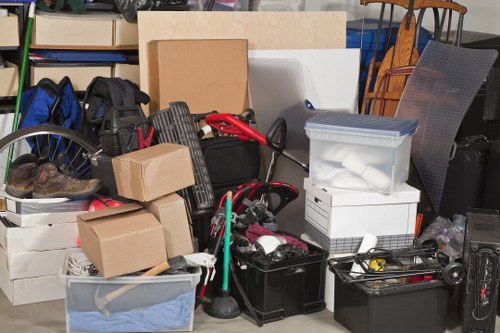
Many garden jobs are not just about leaves and cuttings. Old compost bins, broken benches, rotting timber, damaged storage boxes and dismantled fencing can all appear in the same clearance. Mixed loads need sensible handling because the materials may differ in weight, condition and disposal route. A careful approach helps us keep the service organised and means the garden is cleared in a way that makes practical sense for the contents present.
When a space contains both garden waste and household items, the load may need separating before removal. That can include unwanted outdoor toys, plant containers, garden tools that are beyond repair and left-over materials from a project. For customers who also need inside items removed, our home clearance page explains another service that can be useful alongside outdoor clearing, especially where the work spans both the house and the garden. Mixed clearances are common, and good sorting helps them stay orderly.
The most suitable approach depends on the nature of the items, how they are stacked and how easy they are to reach. If you have larger items that are awkward to carry, or waste that has been left in different parts of the garden, it is often better to describe the layout plainly than to over-explain every object. We can then shape the clearance to suit the job rather than asking you to do more work first.
How we plan a clearance visit
Clearances are easier to arrange when the key details are clear from the start. A brief explanation of the items involved, the access route and the condition of the garden usually gives enough context for planning. If there are gates, side passages, steps or narrow points, those practical details matter because they affect how the work is carried out. It is also useful to know whether the clearance is a single area or spread across different parts of the property.
In some cases photographs help show the scale of a job, especially if the garden is overgrown or contains several kinds of waste. They are not always necessary, but they can be useful when the space is cluttered or hard to describe in a short message. Keep the focus on the actual materials and the access rather than trying to prepare the site extensively beforehand. If the work involves commercial premises, the business waste removal page may be relevant for properties with ongoing outside waste or shared external areas.
We prefer to keep the arrangement practical. That means identifying the main task, noting anything fragile or fixed in place, and understanding whether the job is a tidy-up, a partial clearance or a full outdoor clearance. Accurate details save time for everyone and help ensure the right crew and equipment are assigned to the work. The goal is simply to make the next step clear and manageable.
Garden waste, recycling and responsible handling

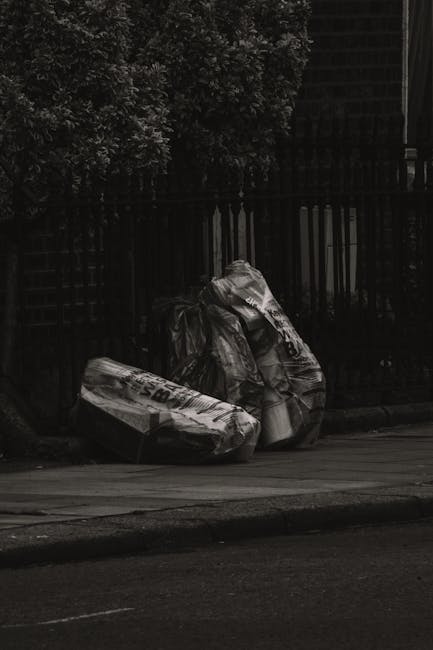
Garden clearance often produces material that can be managed in more than one way. Green waste, untreated wood, metal fittings and some plastics may be separated where suitable, while damaged or contaminated items may need different treatment. A sensible clearance service does not treat every load as identical. Instead, it looks at what is actually present and handles the contents with an eye to reuse, recycling and lawful disposal where applicable.
We also consider the condition of the items being removed. Fresh cuttings, soil-filled bags and heavy wet waste can weigh much more than they look, which affects loading and transport. Similarly, an old timber structure may be light in one section but unstable or splintered in another. If you want to understand the wider approach to material handling, the recycling and sustainability page sets out the kind of responsible thinking that supports this work.
Customers often want a clearance that leaves the garden looking more settled as well as more open. That means removing waste carefully, avoiding unnecessary disturbance to paths and beds, and taking away items in a way that suits the layout of the property. The most useful outcome is usually a space that is easier to manage afterwards, with the clutter and heavy waste gone and the remaining area left in better shape for gardening or future improvement.
When a partial clearance is the better choice
Not every garden needs a complete emptying. In many cases, the right solution is a partial clearance focused on particular corners, borders or storage areas. This can be useful where healthy planting remains in place, where a patio needs to stay untouched, or where you only want specific waste removed before other work begins. A selective approach can save effort and avoid removing anything that still has value.
Partial clearance also suits properties with layered outdoor use. A family garden might contain children’s items, planters and old materials from previous work all in one space, while a rental property may have accumulated a few bulky pieces rather than a full garden’s worth of waste. In such cases, the service is best framed around the items to be removed, not around a complete redesign of the space. If the outside area includes indoor overflow as well, a garage clearance can be a useful companion service for stored tools, boxes and other overspill items.
What matters most is clarity about what stays and what goes. Once that is understood, the clearance can be completed in a tidy and efficient way. The result is a better-balanced space that remains usable, while the unwanted material has been taken away without disturbing the parts you wanted to keep.
Outdoor spaces, access and tidy finishing
Garden clearance is often judged by what is left behind as much as by what has been removed. A good finish usually means that loose debris has been dealt with, obvious trip hazards have been cleared and the access route has been left sensible to use. Where the ground is uneven or the garden is heavily planted, care is needed so that the work improves the space rather than causing extra disturbance.
Access can shape the method. Side passages, basement steps, shared entries and rear lanes all require different handling, and outdoor items may need to be moved in stages if the route is narrow. That is one reason why a brief, direct description of the garden layout is useful. If you are also dealing with waste from a refurbishment or structure removal, the builders waste clearance service may be relevant when the material includes heavier renovation debris alongside outdoor waste.
Finishing details matter. Sweeping through a cleared section, gathering small fragments and making sure discarded material is not left scattered can make a major difference to how the area feels afterwards. The aim is not to over-state the transformation, but to ensure the space is left in a condition that feels orderly and ready for the next stage, whether that means maintenance, repair or simple everyday use.
About Enfield
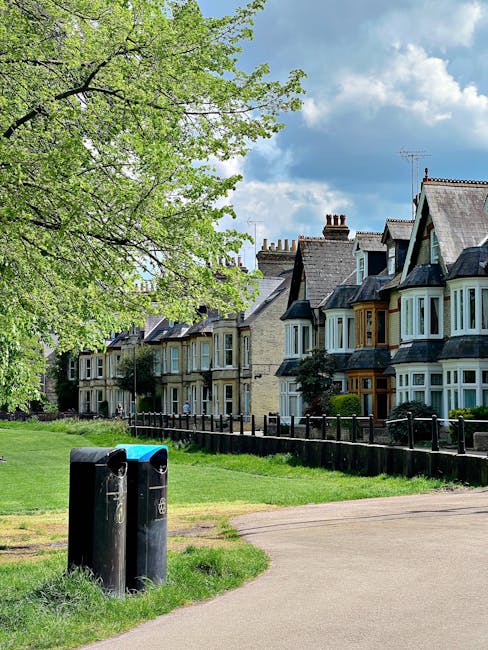
Enfield is a large district in north London with roots that reach back into medieval and Tudor England, and it combines older town-centre character with substantial suburban expansion from the nineteenth and twentieth centuries. Enfield Town remains a historic focal point, and its High Street, parish church and older street pattern reflect the settlement’s long development before modern growth reshaped the surrounding borough. The area also includes well-known green spaces such as Trent Park, Forty Hall Estate and Broomfield Park, which give the district a notably open feel in several directions. Water also plays a quiet part in the local landscape, with the New River corridor and the nearby Lee Valley shaping movement and green routes across the wider borough. Enfield’s architecture is varied: there are terraces, interwar housing, municipal developments and pockets of older buildings that sit alongside newer estates and retail centres. The borough as a whole is one of the largest in London by area, and its character changes from place to place, with some parts feeling distinctly urban and others more suburban or semi-rural. Cultural life is similarly mixed, with local museums, community venues, parks and seasonal events contributing to a sense of identity that comes from both history and everyday use of public space. The result is a district that feels layered rather than uniform, where heritage, parkland and residential streets sit in close proximity.
Household clearances and larger domestic projects
Domestic garden work often overlaps with other clearance needs, especially when sheds, lofts, garages or spare rooms have also filled up over time. In these situations it can be useful to think about the whole property as a series of connected spaces, each with a different type of material. A garden may contain broken furniture or old storage items, while the house holds boxes, soft furnishings or general household clutter that needs separate handling. Keeping those streams organised makes the work more efficient and keeps the clearance focused.
For larger homes or extended projects, the right service often depends on the mix of contents rather than just the room or garden alone. Some customers need items removed before redecorating, others before a move, and some simply want to restore a sense of order after a prolonged build-up. If indoor items are part of the same project, the house clearance page can be useful when the work includes rooms, cupboards and household contents alongside the outdoor area. A good plan keeps the different parts of the job distinct without making the process complicated.
Our approach is to keep the job practical and readable from the outset. If the garden clearance is the only task, that remains the focus; if it forms part of a wider domestic clearance, we can consider that too. What the customer usually wants is a simple route from an untidy space to a manageable one, without unnecessary fuss. If you are ready to discuss the scope, send a clear description and request a quotation.
Preparing for a quotation
A quotation request is easiest to handle when the main facts are included in one place. Tell us what kind of garden waste you have, whether there are bulky pieces involved, and whether access is direct or limited by steps, gates or shared paths. If the job includes mixed items, it is helpful to say so. The clearer the outline, the easier it is to match the right approach to the work.
It is also useful to mention whether the clearance is urgent or part of a planned tidy-up. That does not mean you need to stage the job in advance. A brief list, a few notes or a couple of photos can be enough to show the scale of the task. Make a note of the main items and the parts of the garden that should be left alone, then ask for a quotation when you are ready. For the final step, the contact us page is the natural place to send your enquiry.
Garden clearance should feel manageable from the first message through to the last item being removed. With the right details in hand, the work can be planned sensibly, the right materials can be handled in the right way, and the outdoor space can be cleared without unnecessary disruption. If you want the garden back in a usable state, ask for a quotation today.